
Introduction to Timewarp TaskUs
The modern digital workplace depends heavily on accurate time tracking and efficient workforce management systems. Businesses operating in customer experience, outsourcing, and remote environments require tools that combine automation, transparency, and performance insight. Timewarp taskus represents a modern approach to managing employee productivity through structured monitoring and workflow synchronization. Organizations today face challenges related to hybrid work models, distributed teams, and real-time reporting expectations. Because of these evolving demands, companies are turning toward intelligent time solutions that streamline operations without disrupting employee focus. Understanding how timewarp taskus works helps organizations build smarter operational strategies while maintaining accountability and efficiency.
What Is Timewarp TaskUs and Why It Matters
Timewarp taskus is generally associated with advanced workforce productivity systems designed to monitor task duration, optimize scheduling, and improve operational visibility. Instead of relying on traditional manual tracking, modern platforms automate performance measurement through digital activity insights. This transformation allows managers to understand how time is allocated across projects, departments, and workflows. The growing demand for data-driven decision making has made time management platforms essential rather than optional. Businesses benefit from improved reporting accuracy and reduced administrative workload. As companies continue expanding globally, solutions like timewarp taskus help maintain consistent productivity standards across multiple locations and teams.
Core Functionality Behind Timewarp TaskUs
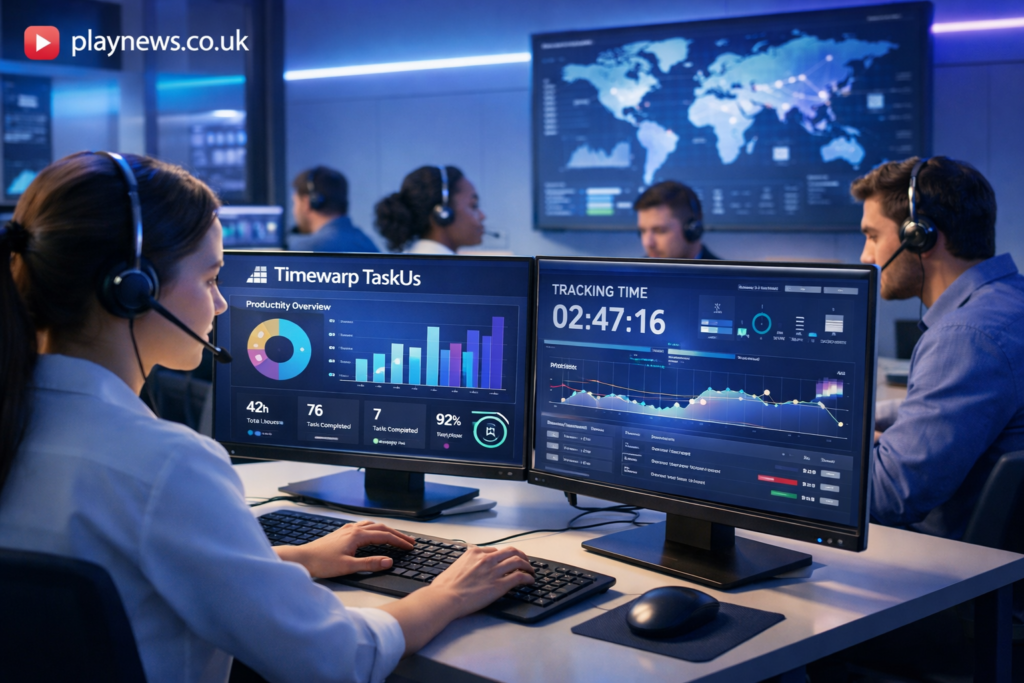
At its foundation, timewarp taskus integrates time monitoring, workflow coordination, and analytics into a unified environment. Employees interact with systems that quietly record task progress while minimizing interruptions to daily work. Managers receive real-time insights that help identify productivity trends and operational gaps. Automation eliminates repetitive manual reporting tasks that often consume valuable working hours. Performance dashboards transform raw activity data into understandable visual insights for leadership teams. Through intelligent tracking, organizations can maintain operational clarity while supporting employee performance growth.
How Timewarp TaskUs Supports Workforce Productivity
Modern organizations increasingly depend on measurable productivity metrics to remain competitive. Timewarp taskus contributes to productivity improvements by helping teams understand how effort translates into outcomes. When employees gain visibility into their own performance patterns, they naturally develop better time discipline. Leadership teams can identify workflow inefficiencies before they become operational problems. This proactive approach allows companies to adjust workloads, redistribute responsibilities, and improve project delivery timelines. Over time, consistent tracking creates a culture focused on accountability and continuous improvement rather than supervision alone.
Digital Transformation and Time Management Evolution
Workforce technology has evolved significantly over the last decade as companies shift toward digital transformation strategies. Traditional punch-in systems no longer meet the expectations of modern remote and hybrid environments. Timewarp taskus reflects this technological evolution by combining automation with analytics-driven management practices. Cloud-based infrastructure enables access from multiple devices without sacrificing data consistency. Organizations benefit from scalable solutions capable of growing alongside expanding teams. As remote collaboration becomes permanent for many industries, smart time platforms help bridge the gap between physical offices and distributed workforces.
Employee Experience and Organizational Efficiency
Employee experience plays a major role in determining long-term productivity outcomes. Systems like timewarp taskus are designed to support efficiency without creating unnecessary pressure or surveillance concerns. Transparent time tracking encourages trust when employees understand how performance data is used constructively. Workers gain clarity regarding expectations, task priorities, and performance goals. Managers spend less time manually verifying attendance or compiling reports, allowing greater focus on coaching and leadership development. The result is an operational environment where efficiency and employee satisfaction grow together.
Analytics and Data Intelligence in Timewarp TaskUs
Data analytics has become the backbone of modern operational management. Timewarp taskus transforms collected time data into actionable insights that guide strategic decisions. Performance trends reveal peak productivity periods, common workflow interruptions, and resource allocation opportunities. Companies can forecast staffing requirements more accurately using historical activity information. Intelligent reporting enables leadership to align business objectives with employee performance realities. By leveraging analytics, organizations shift from reactive management toward predictive planning and continuous optimization.
Security, Compliance, and Workforce Transparency
Digital workforce systems must prioritize data protection alongside functionality. Timewarp taskus incorporates structured monitoring while maintaining secure data environments suitable for enterprise operations. Compliance requirements across industries demand accurate record keeping and reliable audit trails. Automated time documentation reduces risks associated with manual errors or inconsistent reporting practices. Transparency strengthens organizational governance because stakeholders can verify operational performance through documented metrics. Secure and compliant time management tools help businesses maintain credibility while protecting both company and employee information.
Business Benefits of Implementing Timewarp TaskUs
Organizations adopting advanced time management platforms often experience measurable operational improvements. Efficiency increases as administrative tasks become automated and standardized. Leadership gains clearer visibility into project progress and workforce engagement levels. Accurate reporting contributes to better financial planning because labor costs align closely with actual productivity data. Teams collaborate more effectively when schedules and task responsibilities remain clearly structured. Over time, companies using timewarp taskus develop scalable operational frameworks capable of supporting sustained growth.
Challenges Companies Solve with Timewarp TaskUs
Many businesses struggle with inconsistent performance measurement and fragmented workflow systems. Timewarp taskus addresses these challenges by centralizing time tracking and performance monitoring into a cohesive structure. Remote work environments often suffer from communication gaps that reduce accountability and delay project delivery. Automated tracking reduces ambiguity by providing clear performance indicators for both employees and management. Organizations also overcome issues related to overtime tracking, productivity evaluation, and workload balance. These solutions enable companies to maintain operational consistency even during rapid organizational change.
Future Trends in Workforce Time Management Technology
The future of workforce management is closely tied to artificial intelligence and predictive analytics. Timewarp taskus represents part of a broader movement toward intelligent automation within organizational systems. Emerging technologies will likely enhance personalization by adapting workflows to individual productivity patterns. Real-time feedback systems may guide employees toward more efficient work habits automatically. Businesses increasingly value platforms capable of integrating with broader digital ecosystems. As workplace technology continues advancing, smart time management solutions will remain central to sustainable business performance.
Best Practices for Maximizing Timewarp TaskUs Effectiveness
Successful implementation depends not only on technology but also on organizational culture. Companies achieve the best results when leadership communicates clear goals behind time tracking initiatives. Training employees ensures that systems enhance productivity rather than create confusion or resistance. Regular review of performance analytics helps organizations adapt strategies based on real outcomes. Continuous optimization allows teams to refine workflows and eliminate unnecessary processes. When used strategically, timewarp taskus becomes more than a monitoring system; it becomes a foundation for operational excellence.
FAQs About Timewarp TaskUs
1.What is timewarp taskus used for?
Timewarp taskus is primarily used to monitor work time, improve productivity tracking, and provide operational performance insights for teams and organizations.
2.Is timewarp taskus suitable for remote teams?
Yes, it supports distributed and hybrid work environments by enabling centralized monitoring and real-time reporting.
3.Does timewarp taskus improve employee productivity?
It helps improve productivity by offering visibility into workflows, identifying inefficiencies, and supporting better time management habits.
4.Can managers analyze performance through timewarp taskus?
Managers can access analytics dashboards that show trends, task completion patterns, and workforce performance metrics.
5.why are companies adopting timewarp taskus systems?
Organizations adopt such systems to enhance efficiency, ensure accountability, and make data-driven operational decisions.
Conclusion: Why Timewarp TaskUs Matters in Modern Workplaces
Work environments continue evolving as technology reshapes how teams collaborate and deliver results. Timewarp taskus demonstrates how structured time management systems support efficiency, transparency, and long-term productivity growth. Businesses that adopt intelligent tracking tools gain valuable insights into workforce performance and operational health. Employees benefit from clearer expectations and improved workflow organization. Data-driven management allows leaders to make informed decisions that strengthen organizational resilience. As digital transformation accelerates across industries, advanced time management solutions will remain essential for companies seeking sustainable success.